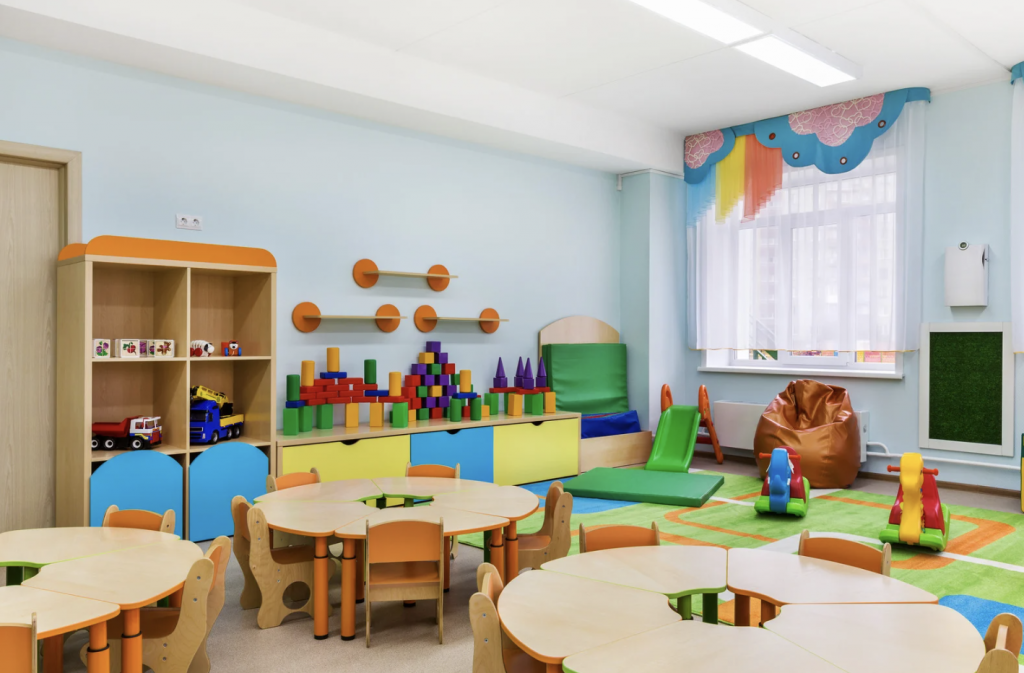
Continuous Professional Learning
S.M.A.R.T
In order to strengthen my ability to support neurodiverse children during daily routines, so that I can foster smoother transitions and minimize challenging behaviours, I will introduce and evaluate two new sensory regulation strategies beginning in my first week of employment.
Strategy 1: Personalized Sensory ToolkitTo support neurodiverse children during transitions, I will develop personalized sensory toolkits that include items such as fidget tools, noise-reducing headphones, and calming textured materials. These kits will be easily accessible in the classroom and tailored to each child’s individual sensory preferences. By offering these tools during moments of change or heightened stress, children can regulate their emotions more effectively and experience smoother transitions. I will regularly observe which items are most effective for each child and make adjustments as needed to ensure the strategies remain effective.Strategy 2: Visual Transition ScheduleTo promote predictability and reduce anxiety during daily routines, I will implement a visual schedule that uses pictures or symbols to represent each activity in the day. Before every transition, I will provide verbal and visual reminders two minutes in advance to help children prepare for what comes next. This consistent routine helps children anticipate changes and builds their sense of control in the classroom environment. By encouraging children to take part in moving or flipping the visual cue after each completed activity, I will help reinforce their engagement and sense of accomplishment.
In order to strengthen collaboration with families about their children’s development, so that I can design and implement a curriculum that reflects each child’s unique strengths, interests, and growth opportunities, I will engage in one-on-one conversations with parents during pick-up and/or drop-off times beginning in my first week of employment.
Strategy 1: Build Daily Communication RoutinesTo establish strong relationships with families, I will create consistent opportunities for open communication during drop-off and pick-up times. I will greet each parent warmly, share at least one positive observation about their child, and invite families to share updates or concerns. This daily exchange will help build trust and ensure parents feel valued as partners in their child’s learning. Over time, this routine will provide a foundation for more meaningful discussions that connect home and school experiences.Strategy 2: Implement a Family Feedback JournalTo strengthen collaboration beyond brief daily interactions, I will introduce a Family Feedback Journal where parents can write notes, questions, or observations about their child’s activities or progress. The journal will travel between home and the center, allowing for ongoing two-way communication that respects each family’s time and comfort level. I will review entries regularly and use the information to adapt classroom activities based on children’s interests and family input. This strategy encourages shared responsibility for each child’s learning journey and deepens the home–school connection.
In order to strengthen my professional communication and teamwork skills, so that I can collaborate effectively with colleagues and enhance the quality of our learning environment, I will actively participate in weekly staff meetings and share at least one idea or strategy that supports inclusive practices starting my first week of employment.
Strategy 1: Reflective Meeting ParticipationTo strengthen my communication and collaboration skills, I will prepare for staff meetings by reflecting on classroom experiences and identifying one inclusive practice to share each week. By contributing specific ideas, such as sensory-friendly adjustments or peer support strategies, I can encourage meaningful discussions and collective learning among colleagues. I will also actively listen to others’ feedback and note successful approaches that I can apply in my own classroom. This reflection and participation will help me grow as both a communicator and a team member committed to inclusive education.Strategy 2: Peer Collaboration JournalTo enhance teamwork within the learning environment, I will keep a peer collaboration journal where I record key insights, ideas, and strategies shared during team interactions. This will allow me to track progress, celebrate successful partnerships, and identify areas where I can offer or seek additional support. By reviewing these notes regularly, I can remain intentional about developing positive, solution‑focused communication with my colleagues. Over time, this practice will help strengthen team unity and ensure consistent, high‑quality learning experiences for all children.
In order to strengthen connections with community partners, so that I can create meaningful learning opportunities and real‑world experiences for children, I will research and connect with at least two local community organizations to explore potential collaborations or classroom visits beginning in my first week of employment.
Strategy 1: Community Resource ResearchTo begin fostering meaningful community partnerships, I will research local organizations that align with early childhood learning goals, such as libraries, nature centers, and family resource programs. I will compile a contact list that includes the organization’s mission, available programs, and possible connection points to classroom learning. This research will help me identify opportunities that enhance children’s understanding of their community and build connections beyond the classroom. By being intentional in my outreach, I can form partnerships that provide diverse and enriching experiences for the children in my care.Strategy 2: Collaborative Outreach and CommunicationOnce potential partners are identified, I will contact representatives from at least two organizations to discuss ideas for collaboration, such as educational visits, guest speakers, or resource sharing. During these conversations, I will clearly communicate how partnerships can support both community goals and early learning outcomes. I will also maintain consistent communication by following up through emails or meetings to establish sustainable relationships. By nurturing these collaborations, I will help create authentic learning experiences that connect classroom concepts to the real world.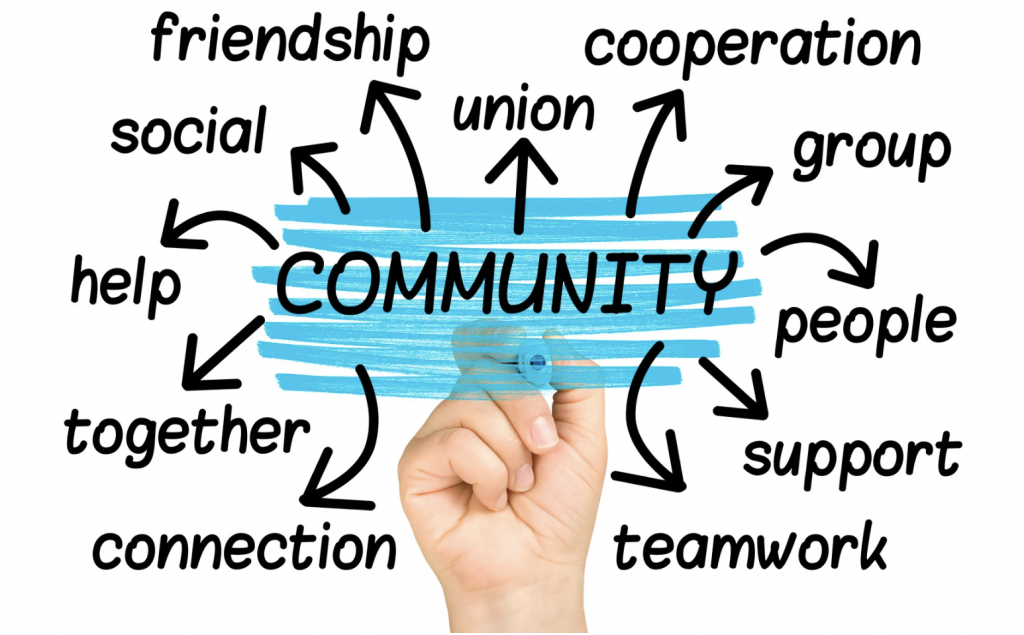
In order to create a calmer and more engaging learning environment, so that all children, including those with sensory needs, feel comfortable and focused, I will design and implement at least one sensory-friendly area in the classroom by the end of my first month of employment.
Strategy 1: Design a Calming Sensory SpaceTo promote comfort and focus for all children, I will create a designated sensory‑friendly area within the classroom that offers soft lighting, cozy seating, and a variety of tactile materials. This space will serve as a calm retreat for children who need a break from sensory stimulation or feel overwhelmed during busy moments. I will arrange the area with soothing elements such as weighted cushions, textured fabrics, and quiet fidget tools to support self‑regulation. By observing how children use the space, I will make adjustments to ensure it remains effective and inclusive for everyone.Strategy 2: Incorporate Environmental AdjustmentsTo further enhance calmness and engagement, I will evaluate the classroom setup for sensory triggers such as noise, lighting, or clutter. Simple adjustments, like using natural light, organizing materials neatly, and adding visual boundaries, can make the environment more predictable and comfortable for all learners. I will also introduce gentle background music or white noise during transitions to support relaxation and focus. By intentionally shaping the classroom atmosphere, I can foster a learning environment that meets the sensory and emotional needs of every child.